
Exploring the psychology behind casino loyalty and rewards
The Allure of Loyalty Programs
Casino loyalty programs have become a staple in the gaming industry, acting as a magnet for attracting and retaining players. These programs often cater to the thrill-seeker’s desire for excitement and reward, creating an enticing framework for engagement. This strategy leverages psychological principles such as commitment and consistency, impacting how players perceive value and their overall experience.
Moreover, loyalty programs typically offer tiered rewards systems that encourage gamers to engage more frequently and at higher stakes. As players accumulate points, they can unlock various perks, ranging from free spins to exclusive access to events. This not only fuels their desire to accrue more points but also fosters a sense of identity connected to the rewards system, emphasizing social recognition.

Additionally, the gamification of loyalty programs, which transforms the accumulation of points into a game-like experience, enhances player engagement. Competitions and challenges integrated into these programs offer another layer of excitement, making players feel like they are part of an ongoing adventure. This connection to the thrill of competition can further intensify the allure of participation in loyalty programs, encouraging continued play.
The Role of Anticipation
Anticipation is a powerful psychological mechanism at play within the context of casino loyalty schemes. By offering potential rewards for future gaming sessions, casinos invoke a sense of excitement in players. This anticipation can lead to increased gambling activity, as individuals chase the thrilling experience of unlocking rewards.
Additionally, the concept of delayed gratification is significant here. When players know that redeeming their loyalty points will require time and continued betting, they may find the journey toward the reward more valuable than the reward itself. This emotional connection to the experience of accumulating points can lead to a more profound attachment to the casino brand.
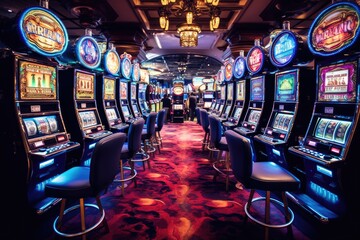
As players progress in loyalty programs, their expectations and hopes often build upon each successful milestone. The further they venture into the rewards system, the more invested they become in their pursuit. This investment not only heightens their engagement with the casino but can also create a narrative around their experiences, turning their loyalty journey into a personal story they cherish.
The Power of Social Influence
Social influence plays a fundamental role in how loyalty programs are perceived and engaged with by players. Many casinos leverage social proof principles by showcasing testimonials or highlighting which players have won significant rewards through their loyalty systems. This visibility can create a ripple effect, prompting others to engage more deeply with the program.
Moreover, casinos often host events for loyalty members, providing an opportunity for socialization within the community. This fosters a sense of belonging among players, making them more likely to return. Emotional bonds developed through shared experiences can enhance loyalty, as players often feel invested in their casino’s community and culture.
In today’s digital age, online platforms also amplify social influence. Players can share their experiences on social media, spreading the word about their successes and the enjoyment they experience through loyalty programs. This organic promotion works in favor of casinos, as potential new players often look to their peers for endorsement before deciding to engage with a loyalty program.
The Impact of Gamification
Gamification has emerged as a crucial strategy within the gambling industry, particularly concerning loyalty programs. Elements such as challenges, leaderboards, and rewards create an engaging environment that mimics the entertainment aspects of gaming itself. By converting the loyalty experience into a game, casinos make interaction feel fun and rewarding.
This approach also plays into the innate human desire for competition and achievement. Players are likely to feel a sense of pride when they reach new levels in the loyalty program, reinforcing their commitment to the casino. The integration of gamification not only retains existing players but also attracts new ones seeking an engaging gambling experience.
Furthermore, gamification can enhance the overall player experience by providing continuous feedback. Instant rewards and recognition, like badges or title designations, validate player efforts, ensuring that the gaming experience remains thrilling and fulfilling. This dynamic not only strengthens loyalty to a particular casino but also enhances overall satisfaction with the gaming journey.
Your Gateway to Premium Gaming Experiences
When it comes to finding the best casino loyalty programs, exploring reputable websites is essential. For players eager to maximize their gaming experience, choosing trusted platforms that offer extensive rewards can make a significant difference. Whether you’re an occasional player or a frequent visitor, discovering innovative and appealing rewards is critical to enhancing your loyalty experience.
For those interested in a comprehensive overview of engaging options, check out the best online casinos australia. By doing so, you set yourself on a path toward benefiting from well-structured loyalty programs tailored to your gaming preferences, ensuring that you enjoy both the thrill of the game and the rewards that come with it.
Ultimately, understanding the underlying psychology behind casino loyalty programs can empower players to make informed decisions about where to invest their time and money. By recognizing the value of these programs, players can fully leverage their benefits and enjoy a premium gaming experience that is rewarding on various levels.
