
The rise and fall tracing the historical evolution of casinos with topo mole casino
The Origins of Casinos
The history of casinos dates back centuries, with the first recorded gambling houses emerging in Italy during the Renaissance. These early establishments offered a variety of games, including dice and card games, attracting the elite and creating a social hub for entertainment. The concept of gambling quickly spread across Europe, leading to the establishment of formal casinos in cities like Venice and Monte Carlo, which became synonymous with luxury and excitement. Players today can experience a taste of this heritage through engaging games like the topo mole game.
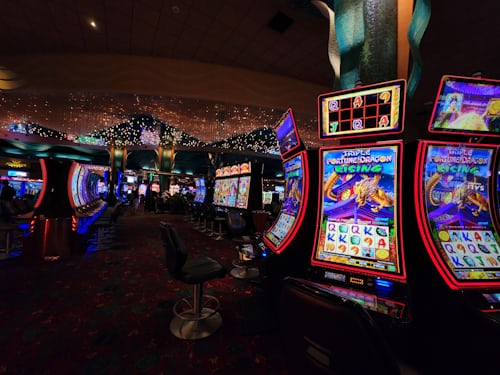
As gambling evolved, it became more organized, with regulations put in place to manage operations and protect players. This paved the way for the modern casino we know today, featuring a range of games from table classics to slot machines. The combination of chance and strategy drew more patrons, ensuring that casinos remained popular venues for entertainment throughout the centuries.
The Golden Age of Casinos
The early 20th century marked a golden age for casinos, particularly in the United States. With the rise of Las Vegas as a gambling Mecca in the 1940s and 50s, casinos transformed into lavish resorts, attracting a diverse crowd. The allure of high-stakes games and extravagant shows created a vibrant atmosphere that became a cornerstone of American pop culture.
This era also saw the introduction of various gaming innovations, from the first mechanical slot machines to more sophisticated card games. The combination of glamour, high-profile entertainers, and luxurious amenities solidified casinos’ status as the go-to destination for those seeking thrill and excitement.
The Impact of Regulation and Legislation
Throughout the decades, regulations significantly shaped the casino landscape. Anti-gambling laws in various countries led to the closure of many establishments, while others adapted by moving online. The late 20th century saw a shift towards legalized gambling in the U.S., with states beginning to recognize the potential economic benefits associated with casinos.
This wave of legalization fueled the proliferation of casinos, leading to a diverse range of options for players. As more states opened their doors to gambling, the competition intensified, prompting casinos to innovate and offer new gaming experiences to attract customers.
The Challenges of Modern Casinos
As we moved into the 21st century, casinos faced new challenges, particularly with the advent of online gaming. The rise of internet gambling offered players the convenience of playing from home, which posed a threat to traditional brick-and-mortar establishments. Many casinos responded by enhancing their online presence, offering a blend of live dealer games and interactive gaming experiences.
Furthermore, the COVID-19 pandemic accelerated changes in the industry, forcing many casinos to adapt to new health guidelines and explore digital avenues for customer engagement. This shift highlighted the importance of flexibility and innovation in an ever-evolving market, as casinos strive to meet changing consumer preferences.

Exploring Topo Mole and Its Place in the Casino Landscape
Within this dynamic environment, games like Topo Mole from InOut Games illustrate the ongoing evolution of gaming experiences. This engaging instant game combines familiar mechanics with the thrill of slot-style payouts, showcasing the innovation that continues to drive player interest. The competitive return-to-player percentage ensures that players feel a sense of excitement and engagement, whether they are seasoned gamblers or newcomers.
Topo Mole also represents the shift towards mobile and online gaming, providing players with the opportunity to enjoy a unique gaming experience from the comfort of their homes. By embracing new technologies and game formats, casinos can enhance player enjoyment and adapt to the challenges of the modern gaming landscape, ensuring their ongoing relevance in the industry.
